
Saturday, 20 September 2026 – Lakatoro, Malekula: The fifth edition of the Nalawan Annual
Cultural Festival was held on Tuesday 25 and Wednesday 26 August 2026 at Lawa, Southwest Bay, on the remote south-western coast of Malekula. The two-day festival was hosted by the Lawa community and the Southwest Malekula Area Tourism Support Association, with the backing of the Southwest Malekula Area Council and the support of the Department of Tourism through its Malampa Tourism Office.
Originally scheduled for 21 and 22 August, the festival was postponed by four days when rough seas made it unsafe for visiting yachts to come ashore. The organisers held the full two-day programme on the new dates for the visitors who were able to reach the bay, most of them from yachts anchored off Lawa, and replaced the planned water activities with newly developed land-based tours.
Kastom of Southwest Malekula
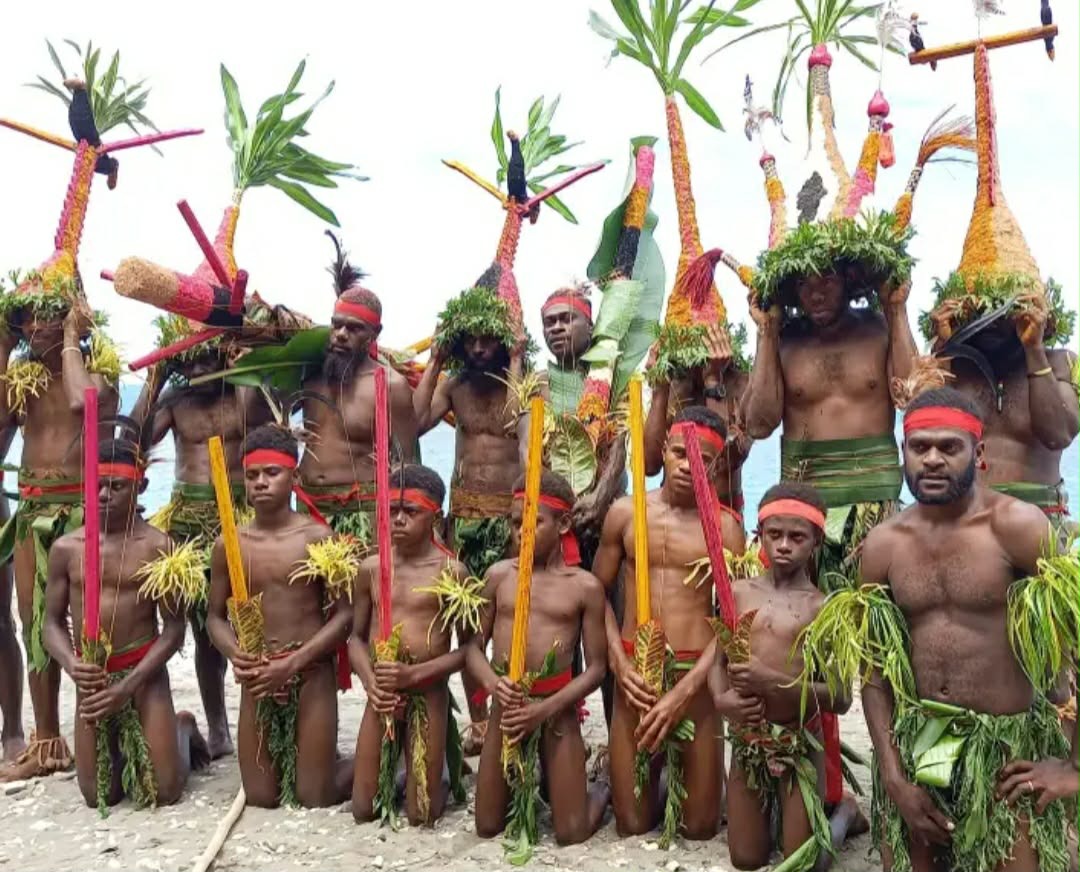
Visitors were welcomed with green coconuts and salusalu before a programme that showcased the living culture of Southwest Malekula. Men’s and boys’ custom dance groups from Lawa performed on the beach and in the forest in the tall painted headdresses of the region and the community displayed carvings, model canoes and traditional tools. Guests joined the mamas of Lawa at weaving, walked the gardens and bush with local guides to learn about traditional crops, followed a creek walk through the forest, and were served a feast of local produce prepared by the mamas of the community on the second day.
Because of the sea conditions, neighbouring communities from Caroline Bay and Toman Island were unable to travel to Lawa to perform. The Lawa organisers substituted activities of their own so that every visitor received the full programme they had paid for.
A first for air arrivals
For the first time in the festival’s five-year history, a group of 18 visitors flew into Lakatoro
specifically, to attend, booked through Malekula Holiday Villas and the Pocket Guide team. With the postponement the group could not wait for the new dates, and the Malampa Tourism Office rebooked them onto Small Nambus cultural tours in Northeast Malekula so that they could still experience Malekula kastom during their stay. The Department regards the group’s interest as the clearest sign yet that the festival can draw visitors by air as well as by sea.
Destination development in Southwest Malekula
“Lawa showed real resilience. The weather took away most of their visitors and the community still delivered two full days of kastom for the guests who made it ashore,” Manager Malampa Tourism, Mrs. Rollyne Liu, said. “The Department of Tourism supports the Nalawan Festival as part of our commitment to destination development, cultural tourism and yachting tourism in Malampa Province. Southwest Bay is one of the most culturally rich parts of Vanuatu, and our job now is to make it easier and safer for visitors to get there. We will be working with the Department of Ports and Harbour and the Vanuatu Maritime Safety Authority on a certified yacht anchorage for Southwest Bay, and with the organisers on fixed dates and new marketing content for 2027.”
Malampa Tourism Manager Ms. Rollyne Liu thanked the Lawa community, the Southwest
Malekula Area Tourism Support Association, the Southwest Malekula Area Council, the custom dance groups and the visiting yachts for their part in the festival and encouraged more communities across Southwest Malekula to join the programme in 2027 so that the festival presents the full diversity of the area’s culture.
The Nalawan Annual Cultural Festival is one of a growing calendar of community-based cultural events on Malekula supported by the Department of Tourism, alongside the Lamap Annual Cultural Festival at Port Sandwich, the Walla Cultural Heritage Festival in Northeast Malekula and the Malekula Canoe Festival scheduled for 22 to 24 December 2026. The Department’s support is provided under the Vanuatu Tourism Recovery and Resilience Programme (VTRRP) 2026, which aims to diversify the national tourism product beyond Efate, distribute tourism benefits to rural and outer island communities and rebuild visitor demand through a credible calendar of authentic cultural events.